HFC-1
Non-Mydriatic Fundus Camera
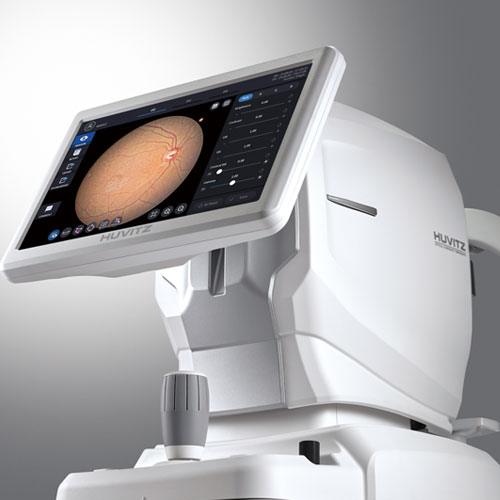
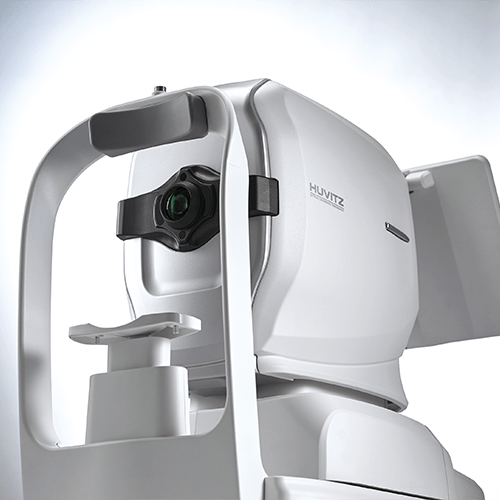
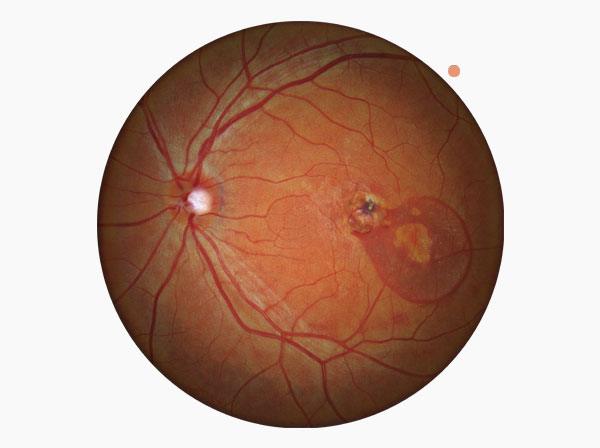
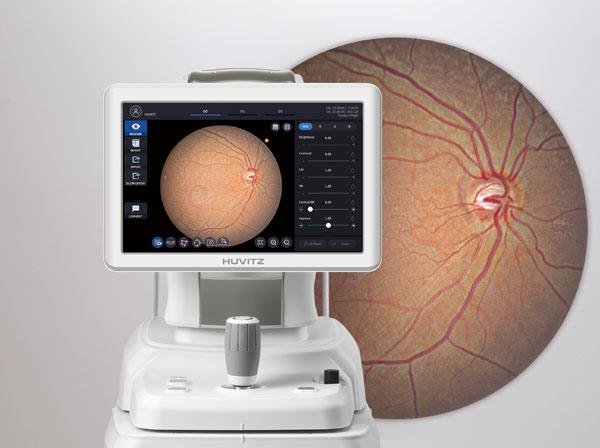
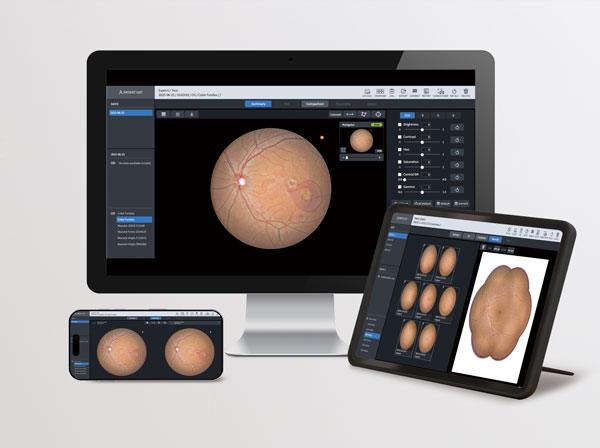
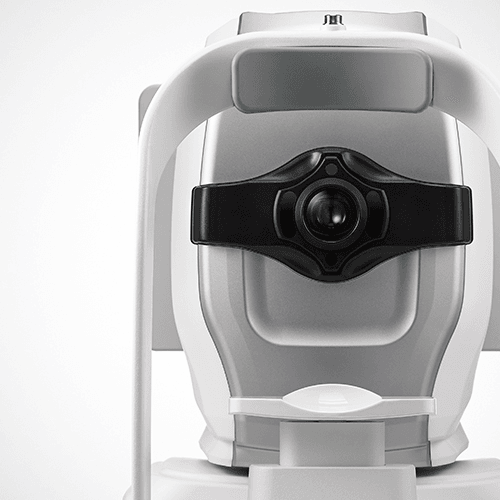
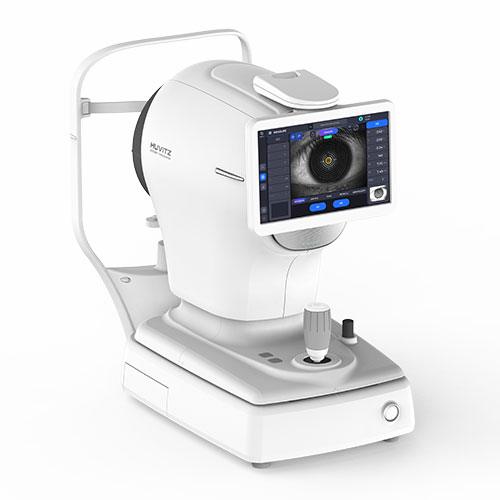
PC-integrated fundus camera delivering clear and distortion-free images in a single shot
- User-selected fundus color mode
- Providing clearer fundus images through brightness and color adjustment
- Wide-ranging visualization of lesion location and extent without distortion
- Accurate comparative views based on detailed information
MENU
Explore Details
User-selected fundus color mode
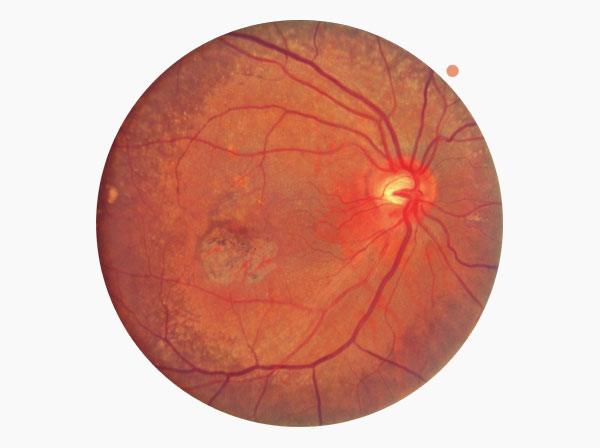
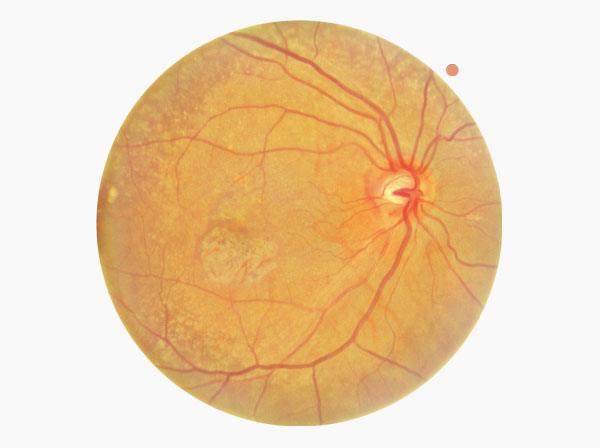
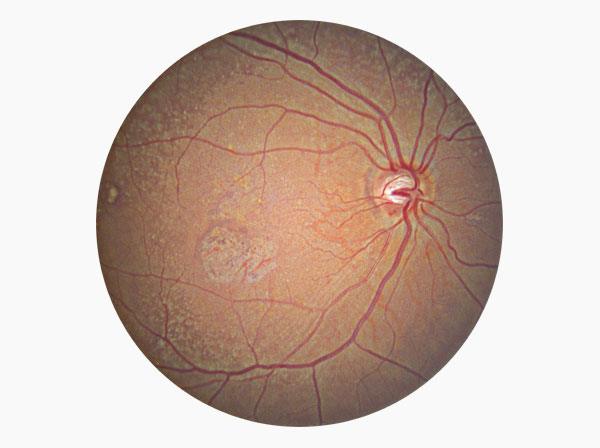
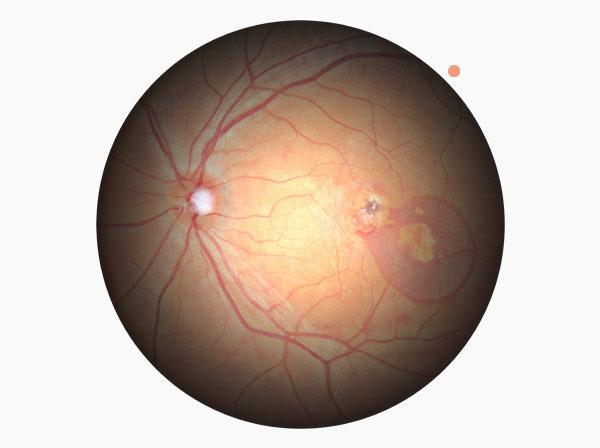
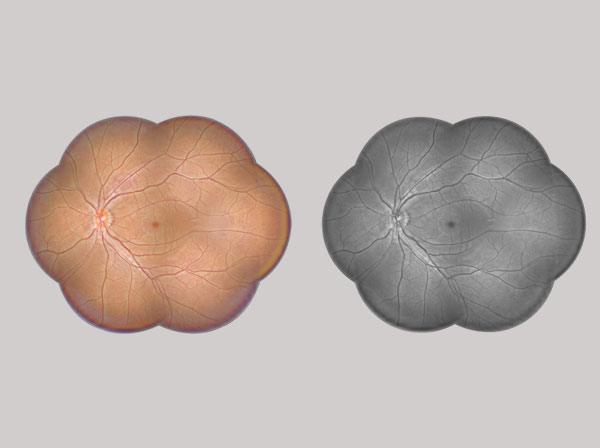
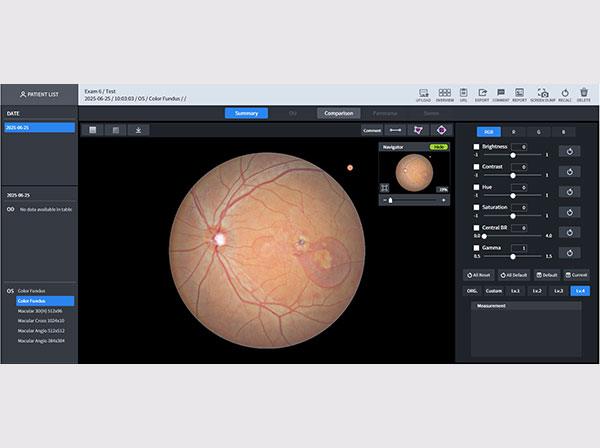
Four types of fundus color images are provided, allowing users to choose the optimal color tone according to their diagnostic style or visual preference for precise observation of blood vessels.


Enhanced lesion visibility through brightness and color adjustment
By adjusting the Central BR and Gamma values, the brightness and color of the fundus image can be finely tuned. This allows users to observe specific areas where lesions are located more clearly.
True Color Fundus in One Shot
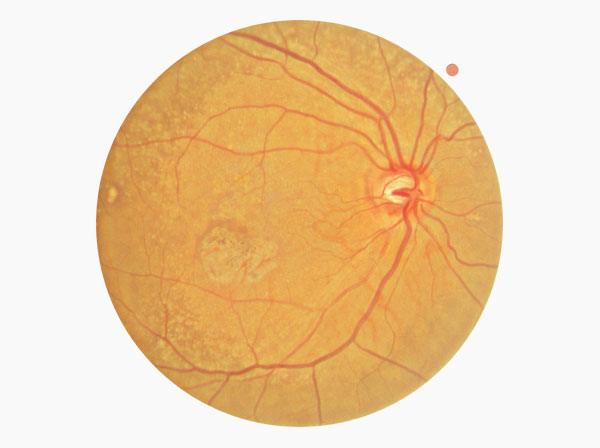
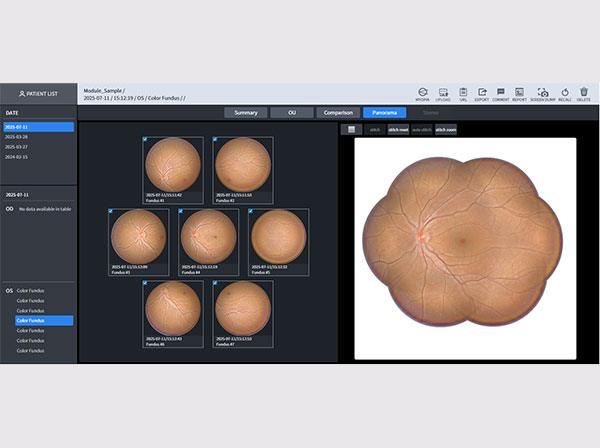
With 12-bit color depth and gamma correction, it captures true color fundus images in a single shot—free from color distortion. It accurately balances contrast across both dark retinal areas and bright optic discs, delivering clear visualization of arteries, veins, and even fine microvasculature. Additionally, it automatically aligns and merges multiple fundus images—up to seven—to generate a widefield panoramic view, enabling intuitive identification of lesion location and extent in a single, comprehensive image.


Accurate comparative views based on detailed information
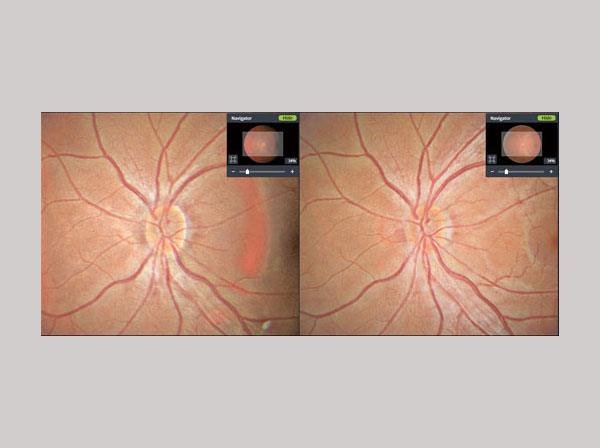
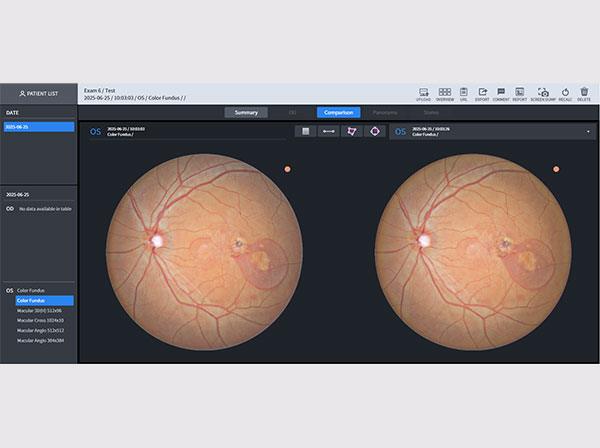
Through detailed and comprehensive analysis, it is possible to grasp personalized symptoms, diseases, and their progression for each patient. This includes comparing pre- and post-treatment states with Comparison, and analyzing pathological conditions from various perspectives such as Single and Panorama reports.
Huvitz MEMBERS
If you want more ophthalmology & optometry content
join Huvitz Members
Specifications
1. Technical Specifications
Type
Non-mydriatic fundus camera
Resolution
Center: 60 lines/mm or more
Middle (r/2): 40 lines/mm or more
Peripherally: 25 lines/mm or more
Angle of view
45°
Camera
Color Image Sensor
Minimum pupil diameter
4.0mm (Normal mode), 3.3mm (Small pupil mode)
Flash light
White light
Working distance
33mm
Dioptric compensation for patient’s eye
-33D ~ +33D total
-33D ~ -7D with minus compensation lens
-13D ~ +13D with no compensation lens
+7D ~ +33D with plus compensation lens
Auto tracking
X, Y for positioning, Z for working distance
2. Hardware Specification
Display
12.1 inch, 1280x800 pixel, Touch panel color LCD
Internal fixation target
LCD (internal), White LED (external)
Power supply
AC 100~240V, 50/60Hz, 1.6~0.7A
PC
Built-in computer
LCD Tilting angle
70˚
Dimensions
330(W) x 542(D) x 521(H)mm
Mass
28kg
3. Measurement Range
Horizontal movement
70mm (back and forth), 100mm (left and right)
Vertical movement
30mm
Chinrest movement
62mm (up and down), motorized
* Specification and design are subject to change without notice.
Related Products
OCTavius
Optical Coherence Tomography
HS Series
Slit Lamp
HNT-1/1P
Non-contact Tonometer
HTR-1A
Auto Ref/Keratometer, Non-contact Tono/Pachymeter
HTG-1
Full Corneal Optical Topographer
HIIS-1
Huvitz Integrated Data Management System
HBM-1
Optical Biometer with Full Corneal Topography System
HOCT-1/1F
Optical Coherence Tomography
FAQ
Q. What are the main features of the HFC-1 fundus camera?
A. The HFC-1 produces distortion-free true-color fundus images with a single capture using 12-bit color depth and gamma correction technology. It delivers well-balanced imaging from dark retinal areas to the bright optic disc, visualizing arteries, veins, and even microvasculature with high clarity. The device automatically aligns and merges multiple images—up to seven—to create a panoramic fundus view, allowing intuitive assessment of a wider retinal area. Its advanced optical algorithms capture subtle pathological changes, and the Auto Tracking & Auto Shooting functions shorten examination time and reduce patient stress.
Q. What key technologies are applied in the HFC-1 to achieve high-quality fundus imaging?
A. To ensure high-quality imaging, the HFC-1 employs Smart Viewing Technology (SVT). SVT incorporates a Speckle Noise Reduction System and a Pre-Acquiring Algorithm to minimize noise and produce balanced true-color images—from dark retinal regions to brighter structures such as the optic disc.
Q. What clinical diagnostic benefits does the HFC-1’s automatic panoramic view provide?
A. The HFC-1 generates a panoramic view by merging a minimum of two and up to seven fundus images. This allows clinicians to view a wide area of fundus structures in a single image, making it easier to intuitively identify the location and extent of lesions and thereby improving diagnostic efficiency.


Q. Can patients with small pupils or light sensitivity be examined with the HFC-1?
A. Yes. The HFC-1 supports a Small Pupil Mode with a minimum pupil size of 3.3 mm, allowing stable imaging even for patients with small pupils. It also uses a non-mydriatic white-light flash, making the examination comfortable for patients who are sensitive to light.
Q. What are the advantages of the HFC-1 being an “all-in-one PC” system?
A. Designed with an integrated PC, the HFC-1 operates without requiring an external computer or complex connections. This minimizes installation space and enables immediate acquisition, review, and storage of images within a single device—greatly improving examination workflow and efficiency.